Lightning Network
Sending Bitcoins to Mars via the Lightning Network

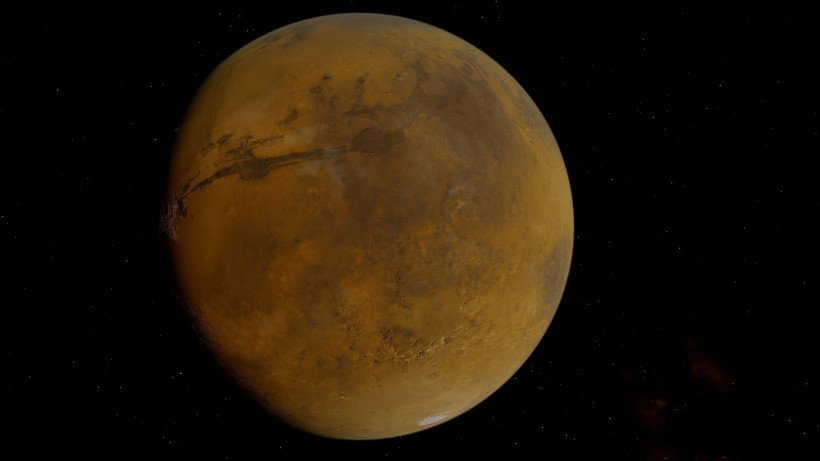
A team of innovative developers has just proposed a way to make Bitcoin the first interplanetary currency. Their concept highlights the core aspects of sending blockchain assets to Mars and beyond, utilizing existing techologies and an additional timestamping protocol.
This approach would provide extra trackability, ensuring that your Satoshis make it across the solar system promptly. While this concept may seem like sci-fi, the blockchain aspects are already mostly in place.
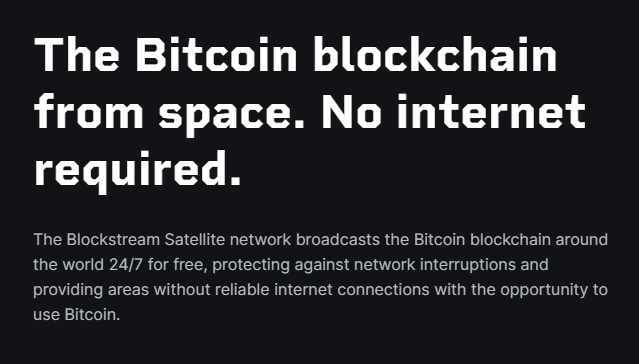
Back in December 2018, Blockstream made headlines when it announced the successful launch of its Bitcoin satellite network. These satellites were designed to enable anyone in the world to participate in the network 24/7 for free. Today, the network still operates, enabling global access to the world’s first cryptocurrency, but what about other worldly access?
In 2020, the Canadian astronaut Chris Hadfield utilized a traditional satellite to become the first person to receive Bitcoin in space. In interviews following the transaction, Hadfield described how blockchain and Bitcoin could be vital to the space industry.
Interplanetary Economy – Sending Bitcoins to Mars
Fast forward to January 2024, and you have tech giants like Elon Musk commenting on the prospect of utilizing cryptocurrencies for interplanetary transactions on Mars. This comment appears to have inspired two talented blockchain advocates named Jose Puente and Carlos Puente.
Source – Blockstream
These two researchers published a white paper introducing the Proof-of-Transit Timestamping (PoTT) protocol. The system integrates added time stamps to account for creating a real-time cryptographic audit trail for Bitcoin data across vast distances, like space. Its use of timestamps makes it ideal for high-latency, intermittently-connected links exactly like those that would be needed to send data to Mars and beyond.
The Lighting Network is Crucial to Success
The engineers integrated the Lightning Network to help reduce transaction delays. This decision opens the door for a variety of future applications, including utilizing Bitcoin for smart contracts and the creation of other digital assets, such as NFTs for human and device identification. Notably, the team utilized the BOLTs developer guidelines to ensure full compliance with Lightning Network protocols.
Testing the Concept of Sending Bitcoins to Mars
As there are no Mars recipients available currently, the engineer utilized a simulation to prove their concept. They integrated Starlink and NASA satellites as part of this approach. Impressively, the tests showed the signal could be sent there in three minutes. Even in adverse conditions, the signal time was under 25 minutes.
Notably, there’s still significant development and deployment of satellites and lunar relays required to ensure communication with Mars is reliable. Unfortunately, for testing purposes, there will need to be a human present to physically accept the payment before this milestone can ever be officially achieved.
Dealing with Eclipses
Interestingly, the team even thought about how to deal with eclipses. Eclipses occur between 2-5 times every year and can interfere with traditional signals, leading engineers to discuss what to do during these times. As a solution, the researchers proposed utilizing orbiting satellite relays to bounce the signal around the moon during these periods.
Future
To truly test their theory, the team will need to wait until more advanced intelligence reaches Mars directly. This can include astronauts or even AI systems. Currently, all Mars missions utilize rovers and other craft to explore the planet, but nothing has been set up as a permanent base as of yet.
Sending Bitcoins to Mars | Conclusion
The idea of future civilizations conducting transactions in Bitcoin via the Lightning Network may be one of the most futuristic concepts to date. However, it does fall within the range of the technology and is sure to bring a smile to long-time Lightning Network advocates.
Learn More